


Quiet Luxury, Clearly Felt and Softly Seen

Today we explore Styling Principles of Quiet Luxury: Art, Accessories, and Negative Space, inviting you to create rooms where refinement whispers and breathing space does the speaking. Expect ideas rooted in intentional editing, enduring materials, thoughtful placement, and stories that connect objects to life. Read, reflect, and join the conversation by sharing your own quiet, meaningful adjustments that changed how your home feels and functions every day.

Foundations of Whispered Elegance

Quiet luxury begins with restraint and presence in equal measure. Instead of chasing novelty, it favors clarity of intent, tactile quality, and long-view decisions that age gracefully. You will notice fewer pieces, better materials, generous space around them, and a steady rhythm of proportion that calms the eye. Think of your home as a gallery of lived experiences, where each element earns its place through purpose and poise.

Art that Breathes

Art has the authority to set mood without raising its voice. The right piece creates a focal hush, punctuating calm with depth and direction. Oversized canvases can feel soothing when surrounded by room to breathe, while modest works form graceful constellations organized by line, tone, or memory. Let frames, matting, and spacing act as companions, ensuring the composition lands with clarity and leaves silence around what matters most.

Building a Collection with Intention

Begin with one piece that moves you, then build slowly to protect coherence. Consider shared threads—texture, palette, subject, or medium—that allow different works to echo rather than compete. Mix emerging artists with personal mementos to keep the collection human and evolving. Above all, prioritize emotional resonance over trend cycles, ensuring each addition strengthens the ensemble’s quiet conversation instead of creating visual noise that distracts from daily living.

Placement, Sightlines, and Breathing Room

Hang art in relation to how you enter and traverse the room, catching calm at natural pauses. Eye level is a guide, not a rule; adjust for furniture height and posture in the space. Leave generous margins so walls read as fields, not crowded notice boards. When in doubt, lower and space further apart. That breathing room transforms viewing into a graceful experience that rewards unhurried, repeat visits across changing light.

Framing and Matting as Subtle Architecture

Frames should support the work, not outshine it. Choose profiles that echo architectural lines or material cues already present—thin metal for crisp minimalism, honed wood for warmth, linen mats for softness. Matting introduces negative space, allowing art to hover with dignity. Consistent frame families bring cohesion, while occasional variations add relief. Treat each decision as quiet architecture, shaping how the artwork meets the wall and the room’s atmosphere.


Anchors: Books, Trays, and Vessels

Hardcover books lend structure and height, trays delineate zones, and vessels provide sculptural form. Choose spines with restrained palette and tactile covers to maintain harmony. A single expressive bowl can substitute for many small objects, giving the eye a clear resting point. Arrange to support function—remote controls, keys, matchbooks—while preserving clarity. Practicality, seen and respected, is an essential part of the quiet, dignified composition you live with daily.

Material Dialogues: Metal, Glass, Stone, and Wood

Let materials converse thoughtfully. Pair bronzed metal with porous stone, or mouth-blown glass with matte ceramics, creating contrast that reads as deliberate rather than decorative excess. Repetition builds rhythm; variation adds depth. Keep finishes softly reflective to catch light without glare. When elements differ in temperature and texture, the whole arrangement feels more grounded, as if nature’s variety had been distilled into a few well-chosen, deeply satisfying gestures.

Negative Space as the Most Persuasive Stylist

Space is not an absence; it is an active ingredient. In quiet luxury, the intervals between objects shape perception, allowing materials, contours, and shadows to perform. Embrace generous margins around furniture, calm walls with restrained art, and clear floors for flow. Light travels further, acoustics improve, and the mind rests. Negative space turns good pieces into remarkable experiences by framing them with patience, intention, and respectful distance from visual clutter.

Editing for Flow and Rest

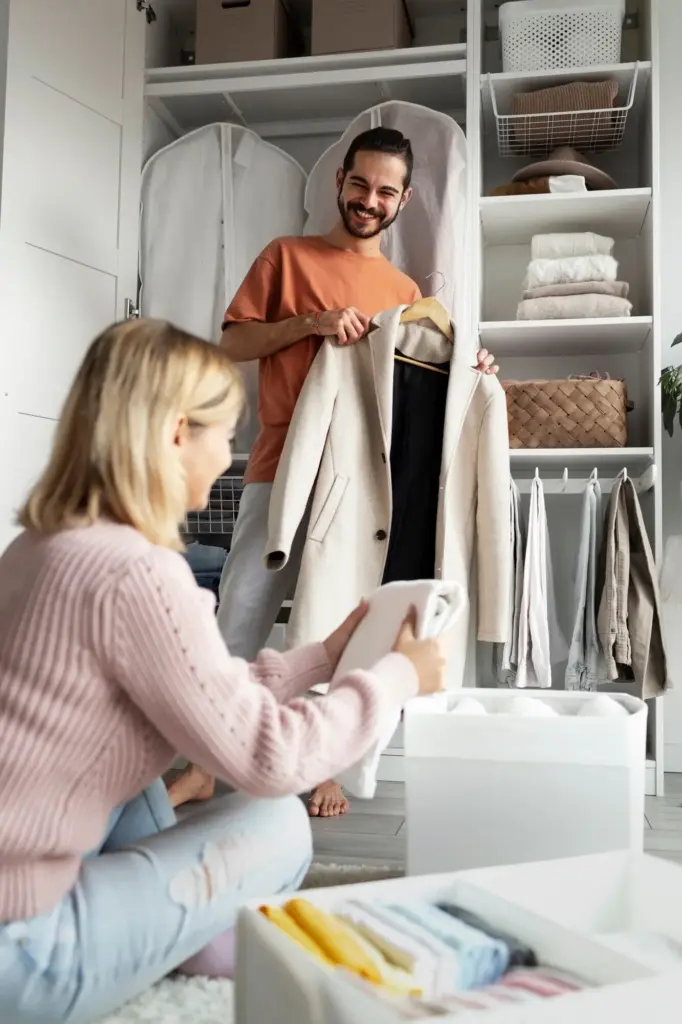
Begin by removing everything, then add only what supports movement and recovery. Leave pathways wide, corners clear, and transitions logical. Consider how the eye travels, staging small pauses where light is best or textures reward touch. If something forces a detour or steals attention without purpose, it likely does not belong. Editing is not deprivation; it is the generous act of giving your best objects room to breathe.

Breathing Walls, Quiet Floors

Allow walls to carry fewer obligations. A single large work or a considered grouping can transform emptiness into resonance. Floors benefit from similar restraint: one generous rug can outline circulation and hold furniture with composure. Resist the urge to fill gaps with small pieces. Emptiness amplifies architectural character, honors proportions, and invites sunlight to choreograph subtle, moving patterns that change the mood without adding a single additional object.

Surface Compositions with Calm Confidence

Coffee tables, consoles, and nightstands invite storytelling, yet they are easily overwhelmed. Approach them as micro-landscapes: one anchor, one vertical, one conversational detail, surrounded by intentional quiet. Vary heights to create gentle diagonals, align edges for visual order, and keep walkways clear. Permit negative space to define borders. This calibrated restraint turns everyday surfaces into steady companions that evolve gracefully with sunlight, reading habits, and seasonal branches or flowers.

Textiles and the Soft Architecture of Comfort

Textiles shape atmosphere as effectively as walls. Consider drapery that skims floors without puddling excessively, rugs that define islands of activity, and upholstery with breathable hand. Layer textures, not patterns, letting subtle weaves, bouclé, and washed linen create depth without noise. Choose a restrained palette to coordinate across rooms. The result is warmth that reads as quiet confidence—comfort that supports conversation, gracious movement, and unhurried, deeply satisfying daily rituals.

Drapery Lines and Light

Hang drapery higher to elongate sightlines and soften architecture. Choose interlining for better fall, sound absorption, and gentle light diffusion. Neutrals with complex undertones adapt across seasons, while textured weaves reduce glare and add silent richness. Keep hardware discreet, finishes matte, and pleats modest. When fabric moves softly in a breeze, the entire room feels considered yet natural, as if comfort were designed to happen without making announcements.

Rugs that Hold the Room

A generously sized rug unifies furniture and calms visual fragmentation. Let front legs rest on the rug to bind seating arrangements with quiet authority. Natural fibers offer durability and subtle texture that ages beautifully. Patterns should whisper; borders should guide rather than divide. Layering a smaller accent atop a larger field can articulate zones, but leave margins so edges read cleanly. This foundation steadies everything placed upon it.

Rituals of Editing, Maintenance, and Living Lightly

Quiet luxury is sustained through gentle routines: seasonal purges, considered acquisitions, and mindful cleaning that preserves patina while removing distraction. Keep a donations basket accessible, audit surfaces monthly, and photograph rooms to see clearly. Share your progress with our community—post a snapshot, describe one edit that changed everything, and subscribe for future guides. Together, we can practice patience, celebrate restraint, and build homes that age with intelligence and grace.
Nezetozeteminemo
Privacy Overview

This website uses cookies so that we can provide you with the best user experience possible. Cookie information is stored in your browser and performs functions such as recognising you when you return to our website and helping our team to understand which sections of the website you find most interesting and useful.